From the Dean of Learning and Teaching
Checking for Understanding: How Our Classrooms Are Making Learning Visible
One of the most powerful shifts in our professional learning this year has been a clear, shared focus on checking for understanding. While it may sound like a simple idea, it represents a significant step in ensuring that every lesson genuinely moves each student forward.
At its core, checking for understanding is about teachers continually gathering evidence of what students know, think, and can do during the learning, not just at the end. Rather than waiting for an assessment task to reveal gaps, our teachers are intentionally designing moments within each lesson to pause, probe, and respond.
What does this look like in the classroom?
You might hear your son describe lessons where teachers:
- Ask targeted questions and expect all students to think and respond
- Use quick activities, such as short written responses, mini whiteboards, or quizzes, to gauge understanding
- Invite students to explain their thinking, not just give an answer
- Pause the lesson to clarify, reteach, or extend ideas based on what students show
These strategies are not about putting students on the spot. Instead, they create a culture where thinking is visible, mistakes are part of learning, and every student is expected to engage.
Why Does it Matter?
Research consistently shows that one of the most effective ways to improve learning is through timely feedback and responsive teaching. Checking for understanding allows teachers to:
- Identify misconceptions early
- Adjust teaching in real time
- Provide targeted support or extension
- Build confidence through clarity and success
For students, this means fewer surprises in assessment and a clearer sense of what success looks like.
How Does this Connect to our Broader Approach?
This focus sits within our Agreed Practices Framework and is driven through our Professional Learning Teams (PLTs). Importantly, these teams are led capably by our classroom teachers, reflecting our belief that those closest to the learning are best placed to refine it. This work is guided under the leadership of Caiti Wade, Head of Professional Practice & Pedagogy, whose oversight ensures coherence, clarity, and a strong pedagogical focus across the College.
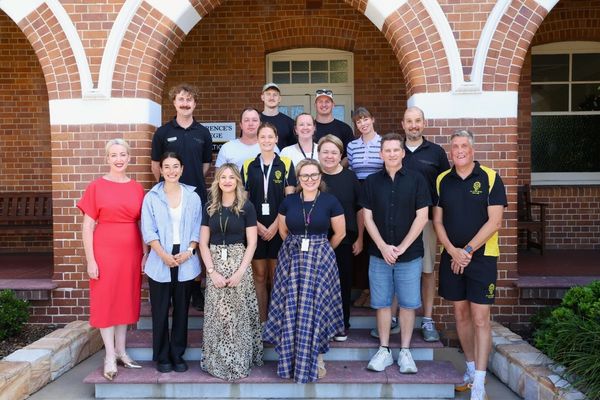
PLT Leads with Head of Professional Practice, Caiti Wade and Dean of Learning & Teaching, Grace Visser.
Throughout the term, teachers have been sharing strategies, observing one another, and analysing what works best in helping students grasp key concepts. It is a disciplined, collaborative approach that strengthens both teaching practice and student outcomes.
It is part of a broader commitment to ensuring that every lesson answers three key questions for students:
- What am I learning?
- How am I going?
- What do I need to do next to improve?
How Can Parents Support This at Home?
You can reinforce this approach with a few simple questions:
- “What did you learn today that challenged you?”
- “How did your teacher check that you understood?”
- “What feedback did you get, and what will you do next?”
These conversations help students reflect on their learning process, not just the outcome.
The College’s goal is to build confident, independent learners who understand their progress and know how to improve. By embedding checking for understanding into every classroom, we are making learning more visible, more responsive and, ultimately, more successful for every student.
MS GRACE VISSER
Dean of Learning & Teaching